

Most couples do not wake up one morning and decide they need help. The decision builds slowly, usually after months of the same argument, or a stretch of politeness that feels worse than fighting.
There’s no line you need to cross before it’s worth getting help. We put this guide together to describe the patterns that tend to bring couples in, so you can recognize your own situation and decide what you want to do about it.
What Is Couples Therapy?
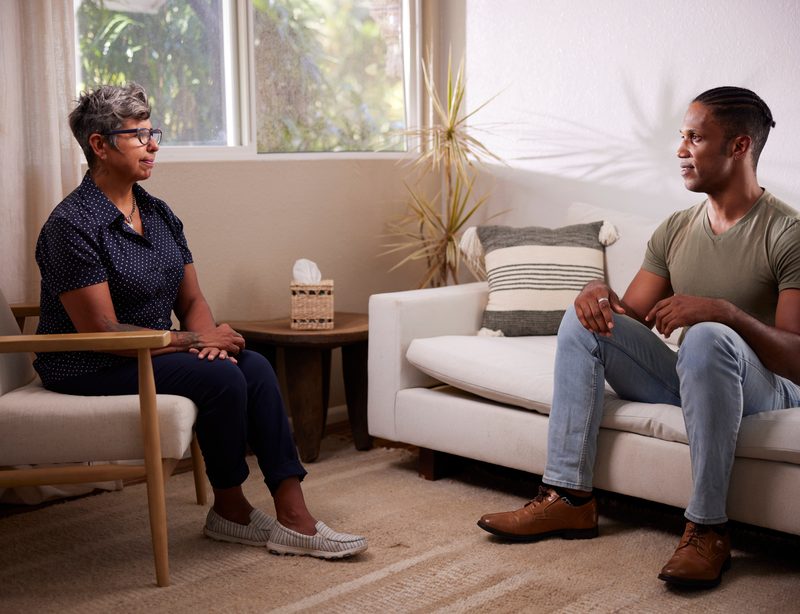
Couples therapy is talk therapy where both partners meet with the same clinician, primarily at the same time, and the relationship is the focus. It is a widely used approach for reducing relationship distress, and it is open to any committed partnership, married or not.
Many couples therapists are licensed marriage and family therapists, trained to look at problems through the lens of relationships and patterns rather than one person’s symptoms. Psychologists, clinical social workers, and licensed counselors also work with couples.
What Are the Signs You Need Couples Therapy?
There are no universal signals. These are simply the patterns that show up most often when couples decide it is time.
You Are Having the Same Argument on Repeat
The topic changes while the underlying shape of the cycle repeats. . Dishes, in-laws, money, the tone of a text message, and somehow you end up in the same place every time. Recurring conflict over the same theme is one of the most common reasons couples seek help, and thisoften signals an underlying pattern that has not been identified yet.
One of You Pushes and the Other Pulls Away
One partner presses for a conversation, the other goes silent or leaves the room, and the pressing gets harder because the silence feels like abandonment. This push-and-retreat cycle tends to feed itself. Our guide to responding when a loved one stonewalls you offers language to try in the moment.
Closeness Has Faded
Nothing is technically wrong, and you feel more like roommates than partners. Physical and emotional distance often builds without a single identifiable cause, which is part of why it can become easy to keep avoiding. Approaches such as emotionally focused therapy are built specifically around rebuilding that connection.
Trust Has Been Broken
An affair, a pattern of lying, a financial secret, or an emotional connection that crossed a line. Couples do work through betrayals, and doing it without help is difficult because the conversations tend to loop. If you are unsure whether what you are experiencing is dishonesty or something more corrosive, our piece on signs of gaslighting may help.
A Major Life Change Has Shifted Everything
New parenthood, a move, a layoff, caring for an aging parent, grief, retirement. Transitions rearrange roles and routines faster than most couples can talk about them, and a lot of conflict during these stretches is really about unspoken renegotiation.
Health or Mental Health Is Straining the Relationship
Depression, anxiety, chronic illness, and pain all change how two people relate. Individual care is usually the right treatment for the condition itself, and couples therapy can address how it is affecting the relationship. Our guide to regulating your emotions in therapy can help you communicate your reactions more clearly
Curious what kind of therapist would be right for you?
We’ve helped over 500,000 find a therapist that fits for free.

Do We Have to Be in Crisis to Start?
No, and starting earlier is easier.. Relationship problems are among the common reasons people seek out talk therapy in the first place, and you do not need a diagnosis or an emergency to get started
It is also not too late if things already feel serious. Gains from couple therapy have held for at least five years after treatment ended in long-term follow-up, including for couples who came in significantly distressed. Some couples also come in preventively, before a wedding or a new baby, which is a reasonable use of the time.
If you are wondering whether your own symptoms warrant support separately, our guides to signs you need a therapist and when to see a therapist can help you figure that out.
When Is Couples Therapy Not the Right First Step?
If there is violence, coercion, or fear in the relationship, joint sessions can make things less safe rather than more. Intimate partner violence includes physical and sexual violence, stalking, and psychological aggression, and individual support is generally the safer starting point. The National Domestic Violence Hotline is available around the clock at 1-800-799-7233, or by texting START to 88788.
Active, untreated substance use or an unmanaged mental health condition can also make joint work difficult until that is addressed. That usually means sequencing care differently or putting other supports into place at the same time, rather than ruling out couples therapy altogether.
Should We Try Couples Therapy or Individual Therapy?
It depends on where the distress is centered. If the pattern between you is the main problem, couples therapy tends to be the more direct route. If one person is dealing with something that would be there regardless of the relationship, individual therapy usually comes first, or alongside.
Plenty of people do both, and it works well when both clinicians know about each other. Our guide to what type of therapy you need walks through how to think about the order. If attachment patterns are showing up in your relationship, our piece on secure attachment is a useful companion read.
How Do We Find a Couples Therapist?
You can ask your primary care provider for a referral, search your health plan’s directory, contact a community counseling center, or use a free matching tool. Using more than one of these at once is completely reasonable.
Finding a Couples Therapist Through Mental Health Match
We built Mental Health Match to make this part less exhausting, and it is free to use. You answer a few questions about what you are looking for, including your concerns, your insurance, and practical needs such as evening availability, and we introduce you to therapists who fit, with detailed profiles so you can get a sense of someone before you reach out. It is one option alongside referrals, directories, and community resources.
Both of you should have a say. Feeling safe with your therapist is one of the strongest signs of whether therapy helps, so if one partner never warms up to the person, that is worth discussing rather than pushing through. Our guide to choosing a therapist covers what to notice early.
| Disclaimer: This article is for informational purposes only and is not a substitute for professional medical advice, diagnosis, or treatment. Always talk to a qualified healthcare professional about any medical concerns. If you are in crisis, please call or text the 988 Suicide & Crisis Lifeline at 988. |