Psychedelic-Assisted Therapy Therapists in Baton Rouge, LA


Chabre Jones
My approach to therapy: My therapy style is conversational and interactive. I'm passionate about working with adolescents and young adults, but provide services to anyone interested in doing the work through building a therapeutic relationship and using humanistic therapy.
Online Only
Accepting Clients
We'll help you find the right therapist.
Mental Health Match has connected over 500,000 people with the right therapist, not just any therapist.

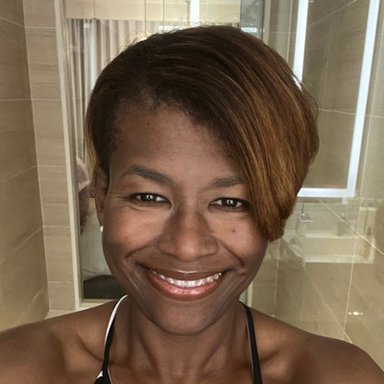


Kasey Myers
My approach to therapy: I specialize in supporting preteens and adolescents facing challenges like bullying, self-esteem issues, peer relationships, self-harming behaviors, anger, depression, anxiety, ADHD, and emotion regulation.
In-Person or Online
Accepting Clients
We'll help you find the right therapist.
Mental Health Match has connected over 500,000 people with the right therapist, not just any therapist.
Showing 1 to 10 of 38 results
Find Psychedelic-Assisted Therapy Therapists & Counselors in Baton Rouge, LA.
Psychedelic-Assisted Therapy (PAP) is a combination of therapy and psilocybin used to create long-term changes in the way patients respond to and cope with challenges or the world. Psychedelic-Assisted Therapy is often used to treat specific psychological disorders such as PTSD or depression.
Guidelines for PAP are still being determined, but most treatments include two to three drug administration sessions, which can last for as long as six hours, as well as several talk therapy sessions before, after, and in between treatments. PAP is proving to be an incredibly promising treatment for some people as it is relatively short in duration and its effects can be long-lasting.
Psychedelic-Assisted Psychotherapy (PAP) can include substances such as psilocybin (commonly known as mushrooms) and MDMA. While psilocybin and other psychedelics are being studied in clinical settings, MDMA has not yet been approved by the FDA for therapeutic use. These substances affect brain chemistry by influencing neurotransmitters like serotonin and hormones such as oxytocin, which can temporarily enhance feelings of connection, safety, and emotional openness while reducing fear and anxiety responses. They may also help individuals access deeper memories and insights during the therapeutic process.